Tip: Save the phrase cards you may need before you go out. If a translation app fails, you can show the image directly to a hotel clerk, driver, cashier, restaurant staff member, or police officer.
Keep it simple: At airports, train stations, and tourist sites, avoid drivers who approach you first and quote a cash price. Use official taxi queues, ride-hailing apps, or hotel-arranged transport.
China has normal taxis and ride-hailing services. Around airports, stations, bus terminals, and scenic areas, you may also meet unofficial drivers offering a ride outside the official queue. They may quote a high cash price, say the official taxi line is slow, or lead you away from the official pickup area.
What it looks like
- Someone approaches you inside or outside the terminal asking if you need a car.
- A driver says the taxi queue is closed, too far, or too slow.
- A driver quotes a flat cash price before you show the exact destination.
- The car has no clear taxi sign, meter, or ride-hailing order.
- The driver wants you to follow them to a parking lot or side road.
What to do before getting in
- Use the official taxi queue or ride-hailing pickup area. Follow airport or station signs.
- Use DiDi or another traceable app when possible. A platform order gives you a route, plate number, and payment record.
- Do not accept a random flat price from someone who approaches you.
- Confirm the destination in Chinese. Save your hotel address in Chinese before arrival.
- If confused, ask airport, station, hotel, or police staff instead of a stranger offering a ride.
Warning signs
- The driver says the meter is broken.
- The driver insists on cash even though you expected app payment.
- The driver will not show a clear route.
- The quoted price sounds high and urgent.
- You are asked to walk far away from official signs.
Show this sentence
Useful sentence:
请按订单价格收费。 (Qing an dingdan jiage shoufei.)
Please charge the price shown in the booking.
- 请问,官方出租车排队处在哪里? (Qingwen, guanfang chuzuche paidui chu zai nali?)
Where is the official taxi queue?
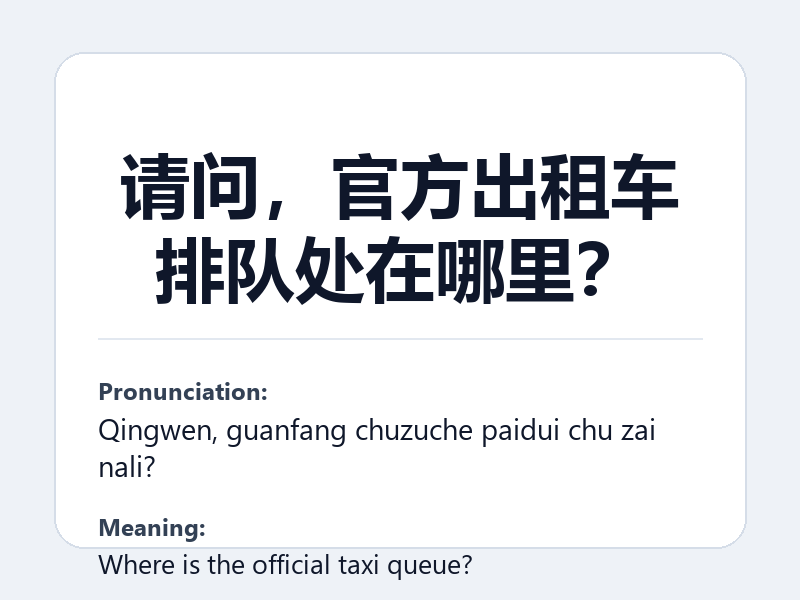
Save this phrase card before you go out. - 请按导航走。 (Qing an daohang zou.)
Please follow the navigation.
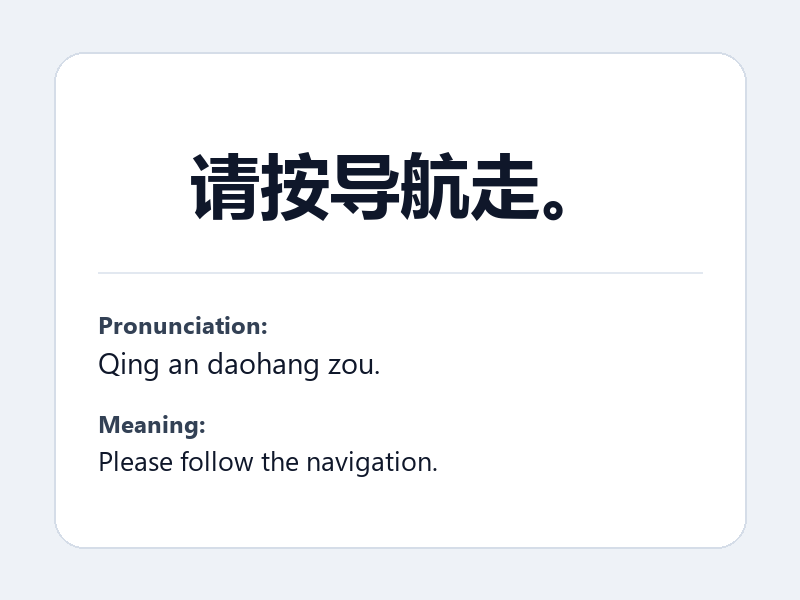
Save this phrase card before you go out. - 请带我去这个地址。 (Qing dai wo qu zhege dizhi.)
Please take me to this address.
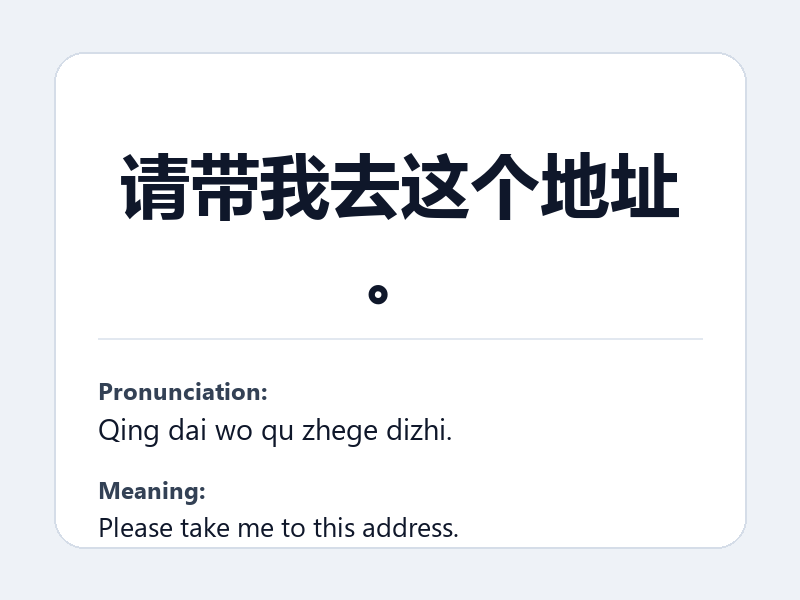
Save this phrase card before you go out. - 我会在APP里付款,谢谢。 (Wo hui zai APP li fukuan, xiexie.)
I will pay in the app, thank you.
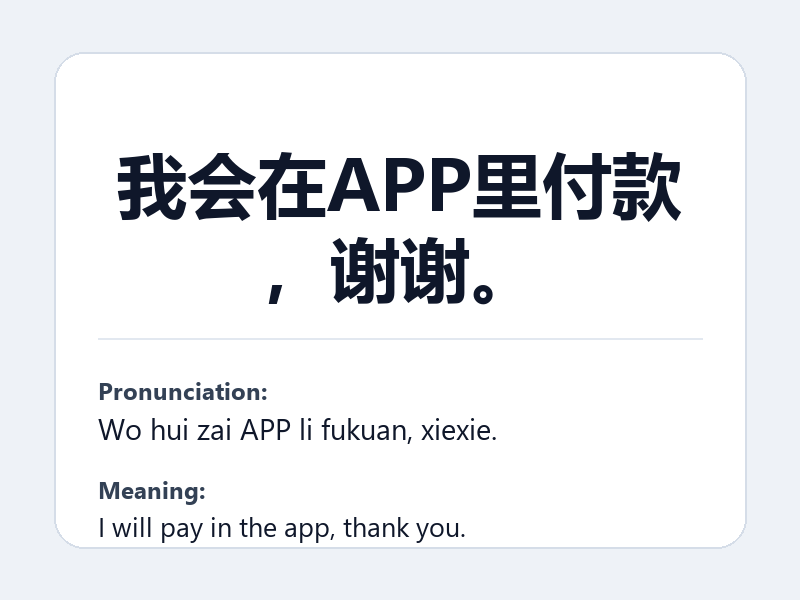
Save this phrase card before you go out.
If you are already in the car
- If you have not entered the car, walk back to the official queue or staff area.
- If you are already in a ride and feel uncomfortable, share your live location with someone and ask to stop in a public place.
- Keep the license plate, payment record, route screenshot, and driver information if available.
- Ask your hotel front desk to help review the fare if you think it was unreasonable.
FAQ
Are normal taxis in China unsafe?
Normal taxis are widely used. The higher-risk situation is an unofficial driver who approaches you first and asks for a private cash deal.
What if I have no mobile data?
Use the official taxi queue and show your hotel address in Chinese. Do not follow random drivers because you are tired or offline.
Before leaving the terminal or station: save your hotel address, official taxi phrase, and payment backup. Do not negotiate with a driver who pulls you away from the official queue.
Next: Go back to Avoid Overcharging & Pressure, or read what to do if someone pressures you to buy something.