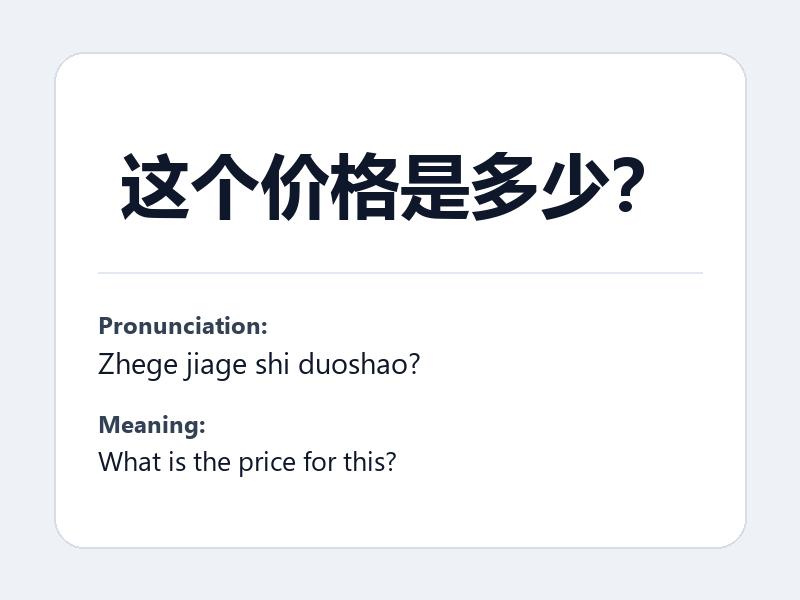
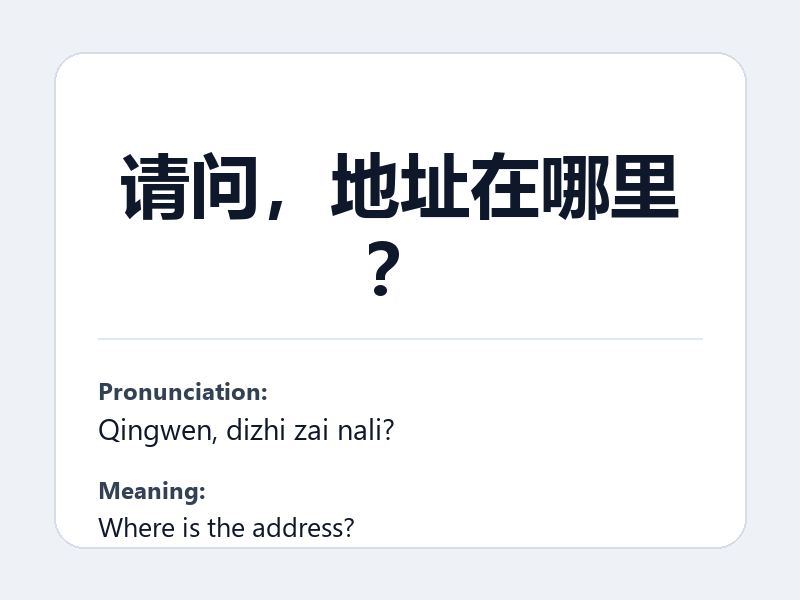
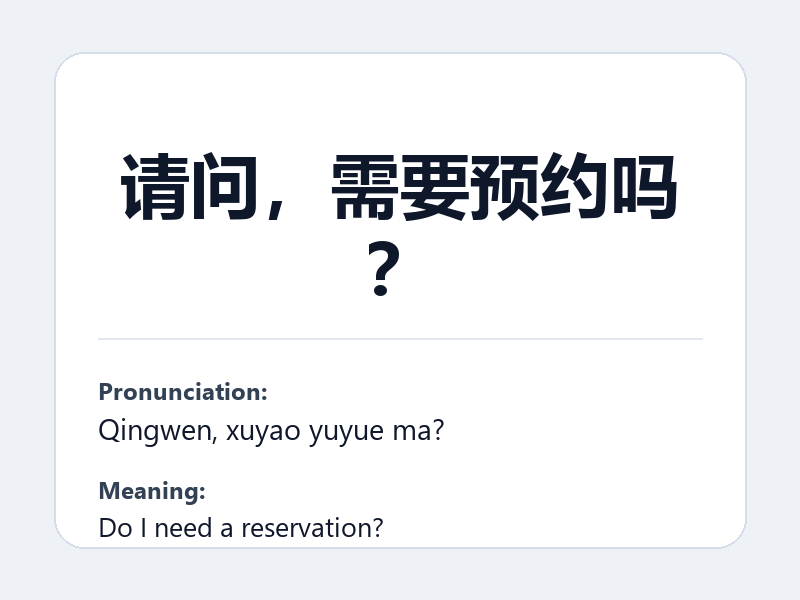
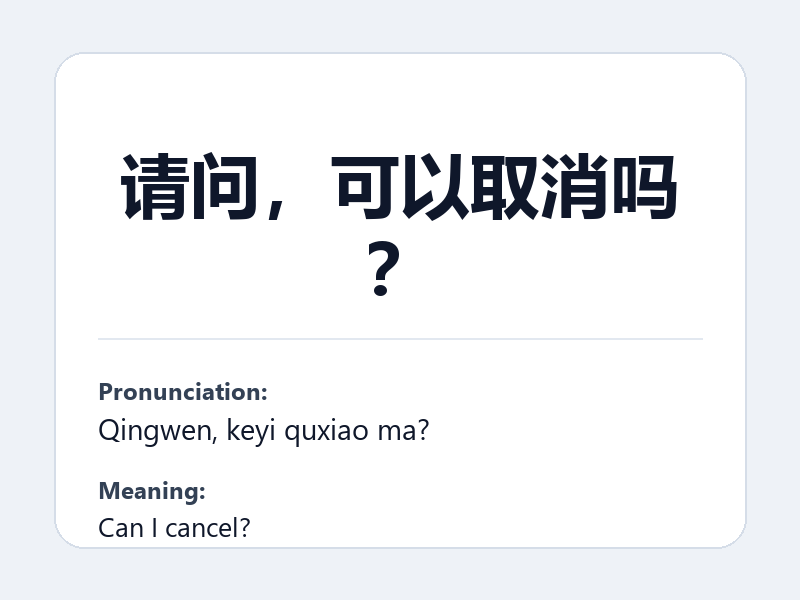
Tip: Save the phrase cards you may need before you go out. If a translation app fails, you can show the image directly to a hotel clerk, driver, cashier, restaurant staff member, or police officer.
Start here: Treat social-media recommendations as leads, not proof. Cross-check the place, price, reviews, location, and whether the post looks like an ad.
Platforms such as Xiaohongshu, Zhihu, Douyin, TikTok, Instagram, YouTube, blogs, and travel forums can be useful, but they are not neutral databases. Some posts are paid promotions, affiliate content, staged reviews, or soft ads. This matters when you are choosing restaurants, tours, photo studios, bars, massage places, and local experiences.
What it looks like
- A post that recommends only one place with very polished photos.
- Comments that all sound similar or overly positive.
- No clear price, address, or downside.
- Phrases like hidden gem, must go, no tourists know, best in China, or limited-time deal without evidence.
- The same place appears repeatedly across influencer posts with similar wording.
What to do before following a recommendation
- Check at least two sources. Do not rely on one viral post.
- Search the map app for the actual place. Confirm address, opening hours, review count, and recent photos.
- Look for bad reviews. A few specific bad reviews can reveal the real risk.
- Check prices before going. If the post avoids price completely, be careful.
- Prefer places where you can leave easily. Avoid experiences that require deposits, private rooms, or long transport before you know enough.
Warning signs
- The post feels like an advertisement but does not say it is an ad.
- The writer focuses more on vibes and photos than practical details.
- The location is hard to find or far from your route.
- The offer requires a deposit through private chat.
- The recommendation is for a high-pressure category: tea, jade, massage, nightlife, photo shoots, tours, or seafood.
Show this sentence
- 这个价格是多少? (Zhege jiage shi duoshao?)
What is the price for this?
Save this phrase card before you go out. - 请问,地址在哪里? (Qingwen, dizhi zai nali?)
Where is the address?
Save this phrase card before you go out. - 请问,需要预约吗? (Qingwen, xuyao yuyue ma?)
Do I need a reservation?
Save this phrase card before you go out. - 请问,可以取消吗? (Qingwen, keyi quxiao ma?)
Can I cancel?
Save this phrase card before you go out.
If you realize it was an ad
- If a recommendation feels wrong when you arrive, leave before ordering or paying.
- If you paid through a platform, contact platform support with screenshots.
- If you found a misleading post, do not continue following that creator as a travel source.
- Use your hotel, official sites, and map reviews as cross-checks, not just social media.
FAQ
Should I ignore Xiaohongshu or Zhihu?
No. They can be useful. Just treat them as starting points and cross-check practical details before spending time or money.
What kind of recommendation is most risky?
Anything expensive, far away, private-room based, deposit based, or pushed with no clear price.
Before following a social-media tip: save the place name, check prices elsewhere, and keep a phrase card ready in case the recommendation turns into a sales pitch.
Next: Go back to Avoid Overcharging & Pressure, or read what to do if someone pressures you to buy something.