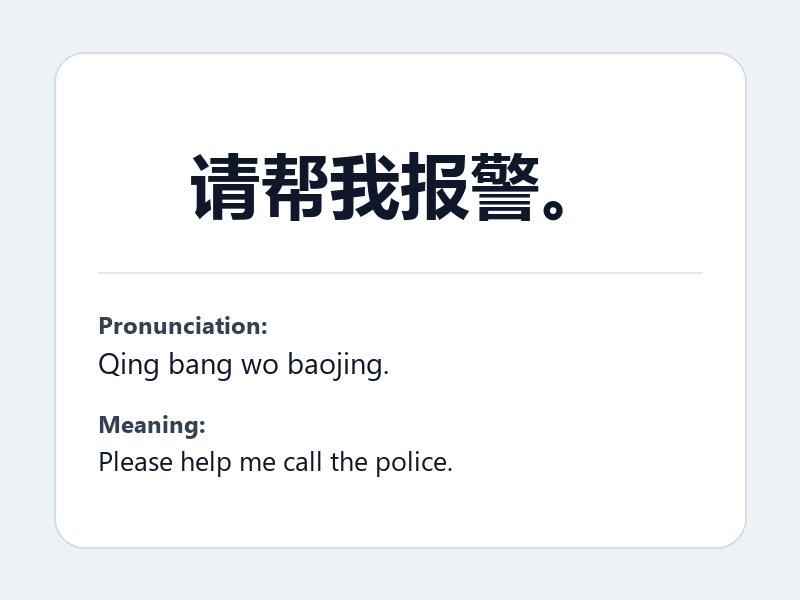
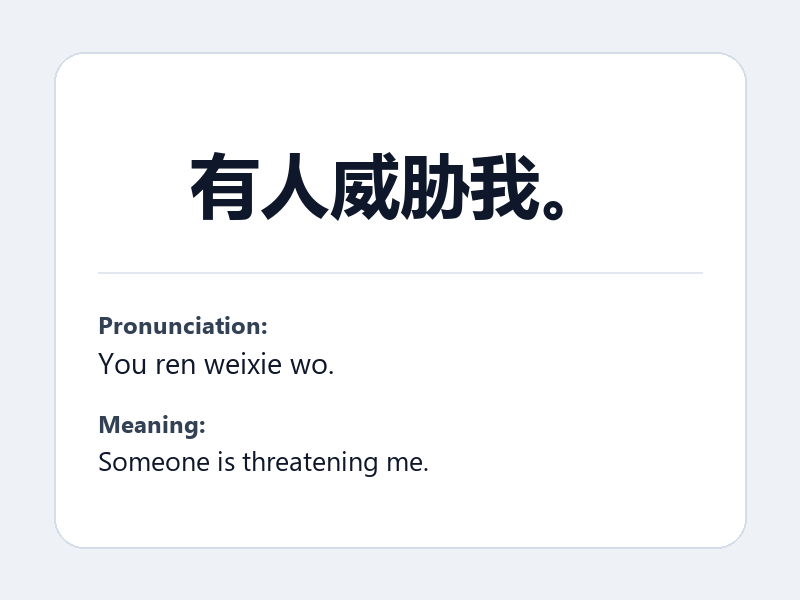
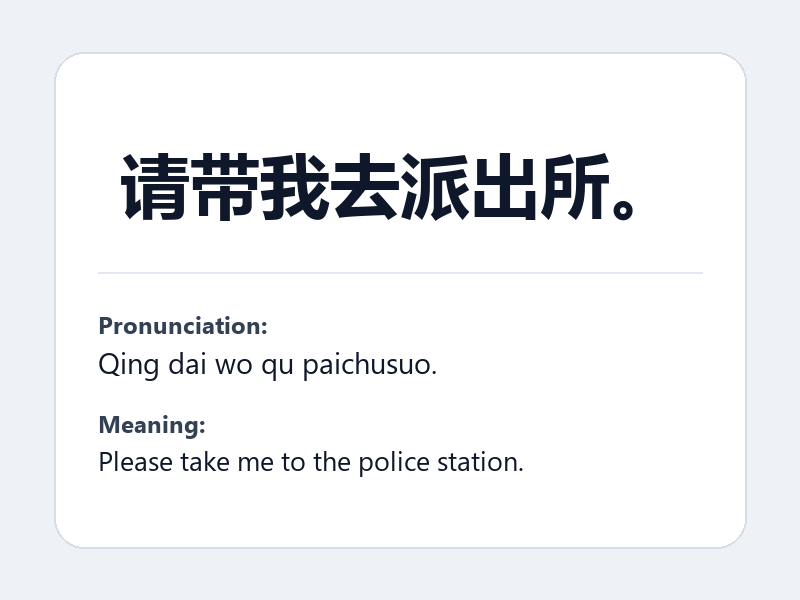
Tip: Save the phrase cards you may need before you go out. If a translation app fails, you can show the image directly to a hotel clerk, driver, cashier, restaurant staff member, or police officer.
Quick answer: Call 110 for urgent police help in mainland China, or ask hotel, station, mall, airport, or restaurant staff to call if language is a problem.
Calling the police in another country can feel intimidating, especially when you are not sure whether the problem is serious enough. Use this rule: if there is danger, threat, crime, aggressive pressure, theft, assault, or you are isolated and need urgent help, get to safety and call 110.
What matters first
- 110 is for urgent police help. Use it for danger, crime, threats, or urgent public-safety situations.
- Staff help is valuable. Hotel desks, station counters, airport counters, and mall service desks can help translate and explain location.
- Keep your story short at first. Say what happened, where you are, and whether anyone is hurt.
- Keep evidence. Photos, receipts, ride order screenshots, license plates, chat records, and names can matter.
What to do before and during the call
- Move away from immediate danger if you can.
- Call 110 or ask staff to call 110.
- Show your location on a map and your hotel address if needed.
- Say whether anyone is injured, whether the person is still nearby, and whether you feel unsafe.
- Ask what to do next before leaving the scene.
Prepare this before you ever need police
- Save your hotel front desk number.
- Keep your hotel address in Chinese as a screenshot.
- Know how to show your current location on a map app.
- Keep passport and insurance copies in a secure place.
- Save simple emergency phrases as screenshots.
Police-call mistakes to avoid
- Arguing with an aggressive person instead of moving to a staffed public place.
- Leaving the scene without evidence if something serious happened.
- Trying to explain too much before stating the urgent issue.
- Assuming a taxi driver, vendor, or tour operator will solve the problem fairly without records.
Lines that explain the problem quickly
请帮我报警。
Pronunciation: Qing bang wo baojing.
Please help me call the police.
有人威胁我。
Pronunciation: You ren weixie wo.
Someone is threatening me.
请带我去派出所。
Pronunciation: Qing dai wo qu paichusuo.
Please take me to the police station.
FAQ
Can I go directly to a police station?
Yes, if it is safe and practical. For urgent danger, call first or ask staff to call.
What if the issue is a tourist overcharge, not a crime?
If you are safe, start with records and staff help. For aggressive pressure, threats, or being unable to leave, treat it as urgent and seek help.
Important: This page is a practical travel guide, not legal, police, or medical advice. In a real emergency, use local emergency services and ask hotel staff, station staff, airport staff, police, hospital staff, or your embassy/consulate for help.
Before a late night out: save your hotel address, a police-help phrase, and one trusted contact. If something turns tense, you should not be building the sentence from memory.
Next: Go back to Emergency Help, or review what to do if you lose your passport or phone.