Tip: Save the phrase cards you may need before you go out. If a translation app fails, you can show the image directly to a hotel clerk, driver, cashier, restaurant staff member, or police officer.
Save this before check-in. At the front desk, show the Chinese line first. Use the pinyin only if the staff member asks you to say it.
Hotel check-in should be simple, but first-time visitors can run into passport registration, booking-name confusion, address questions, deposits, luggage storage, or room problems.
Open this when the booking name, passport, room, deposit, address, or late arrival needs explaining.
Open this card at hotel check-in, when asking the front desk for help, or when you need to solve a room, luggage, address, taxi, or checkout problem.
How to use these at the front desk
- Show the Chinese sentence together with your booking screen or passport. Hotel staff can usually solve the issue faster when they see the characters.
- Use pinyin only as a backup, and say it slowly. You do not need a full sentence in Chinese. One clear request is enough.
- Keep the front-desk request specific. A tired check-in conversation can fall apart when too many problems are mixed together.
- Screenshot the cards before arriving at the hotel. This helps with check-in, booking names, deposits, invoices, room issues, and directions back to the hotel.
Hotel phrases worth saving
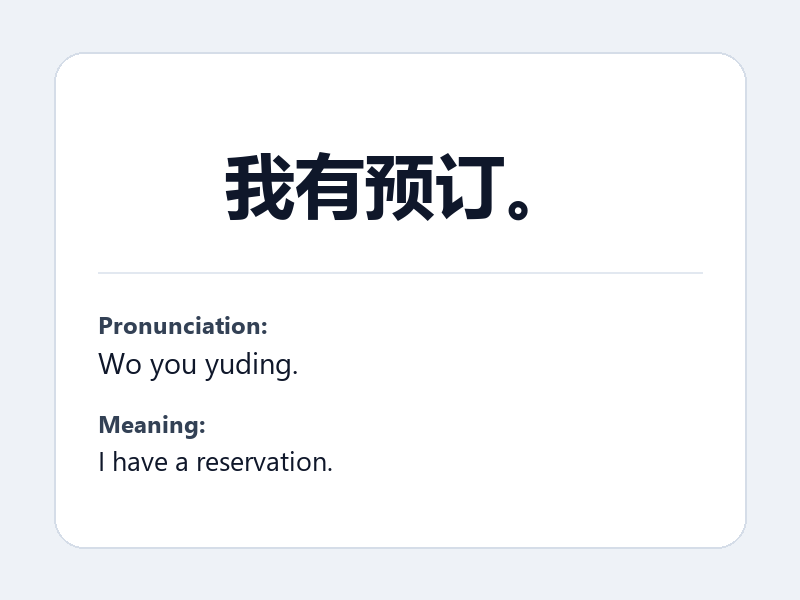
Use it when: You arrive at reception.
我有预订。
Pinyin: Wo you yuding.
I have a reservation.
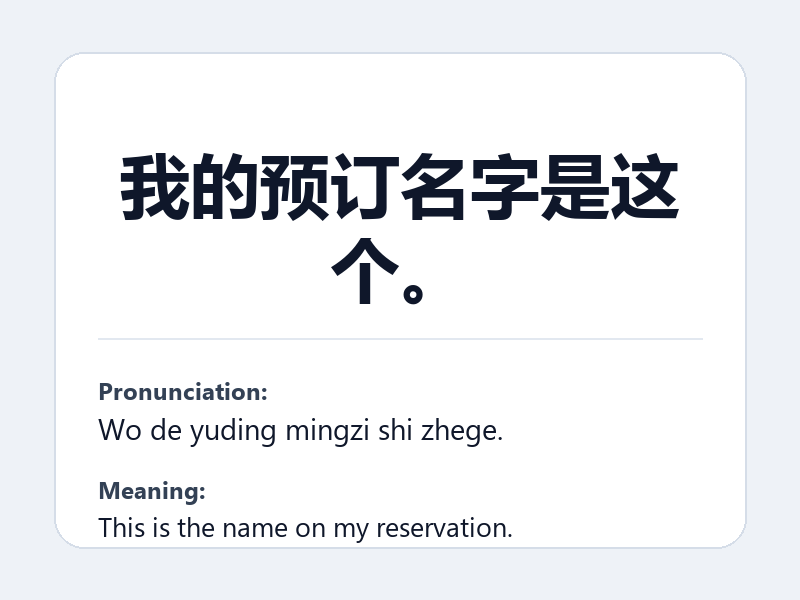
Use it when: The hotel cannot find your booking.
我的预订名字是这个。
Pinyin: Wo de yuding mingzi shi zhege.
This is the name on my reservation.
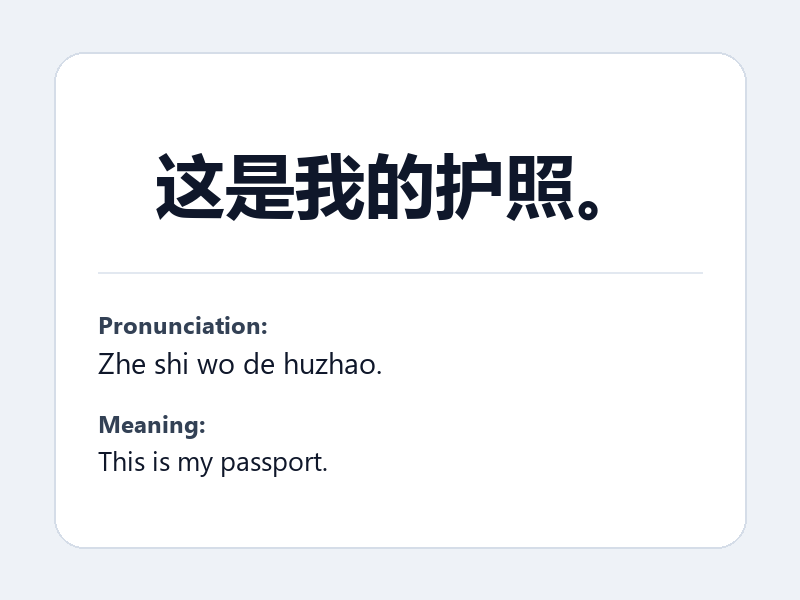
Use it when: You need to hand over passport for registration.
这是我的护照。
Pinyin: Zhe shi wo de huzhao.
This is my passport.
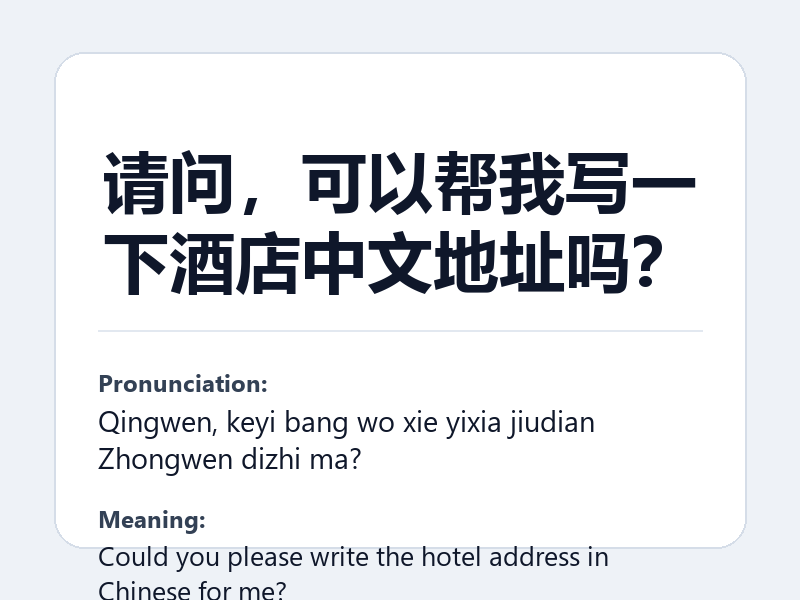
Use it when: You need the Chinese address for taxis or delivery.
请问,可以帮我写一下酒店中文地址吗?
Pinyin: Qingwen, keyi bang wo xie yixia jiudian Zhongwen dizhi ma?
Could you please write the hotel address in Chinese for me?
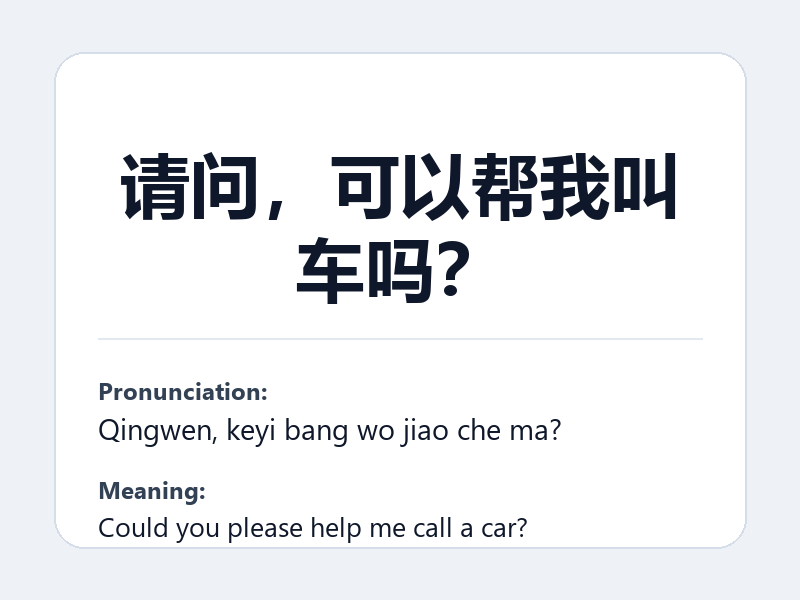
Use it when: You need the hotel to call a car.
请问,可以帮我叫车吗?
Pinyin: Qingwen, keyi bang wo jiao che ma?
Could you please help me call a car?
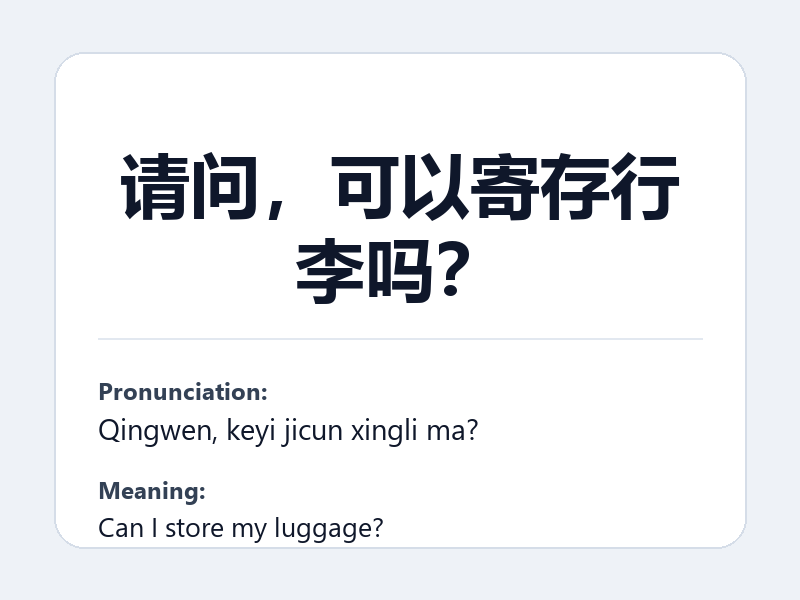
Use it when: You arrive early or leave late.
请问,可以寄存行李吗?
Pinyin: Qingwen, keyi jicun xingli ma?
Can I store my luggage?
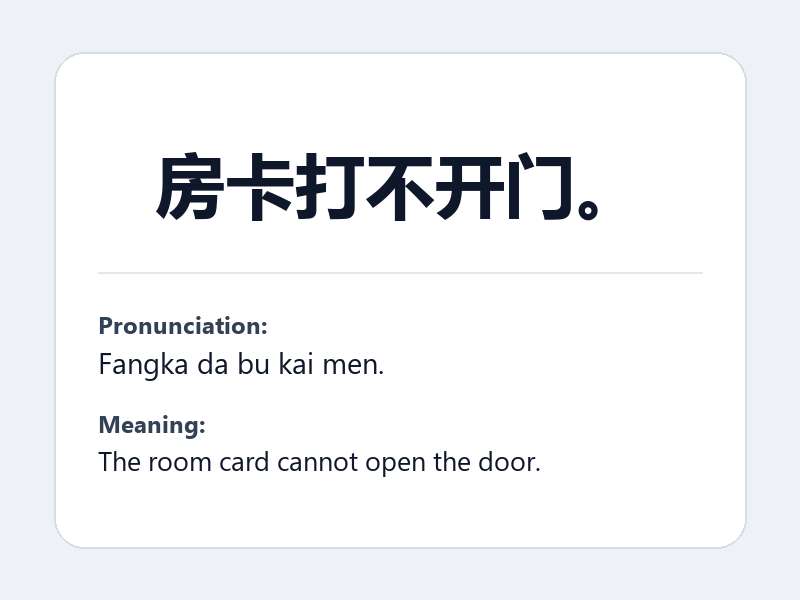
Use it when: Your key card fails.
房卡打不开门。
Pinyin: Fangka da bu kai men.
The room card cannot open the door.
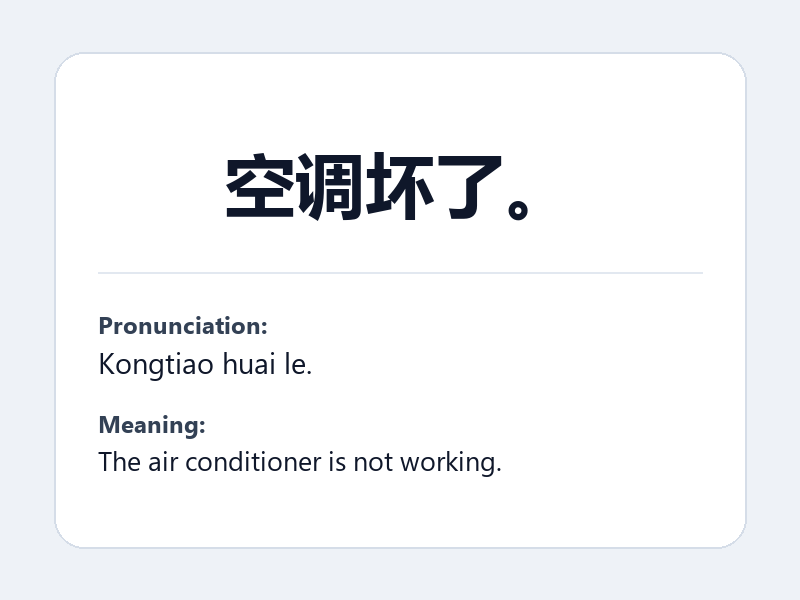
Use it when: The room is too hot or cold.
空调坏了。
Pinyin: Kongtiao huai le.
The air conditioner is not working.
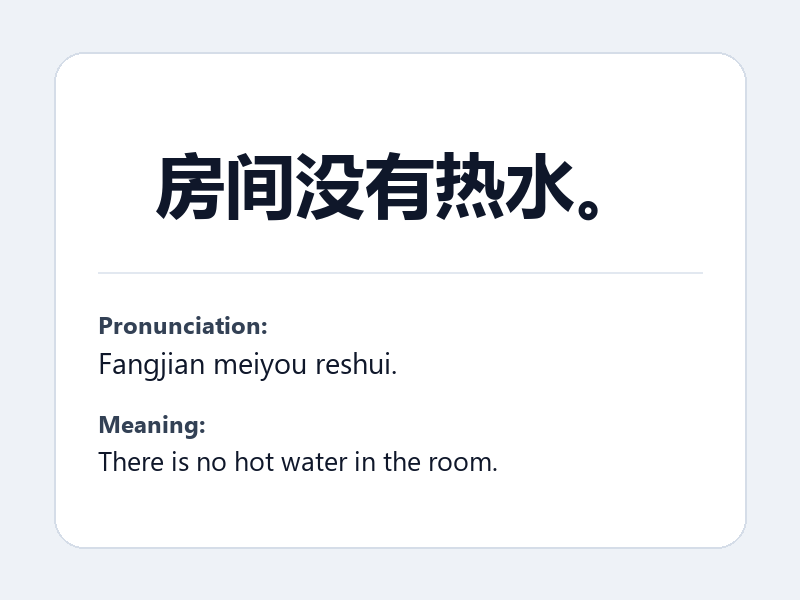
Use it when: There is no hot water.
房间没有热水。
Pinyin: Fangjian meiyou reshui.
There is no hot water in the room.
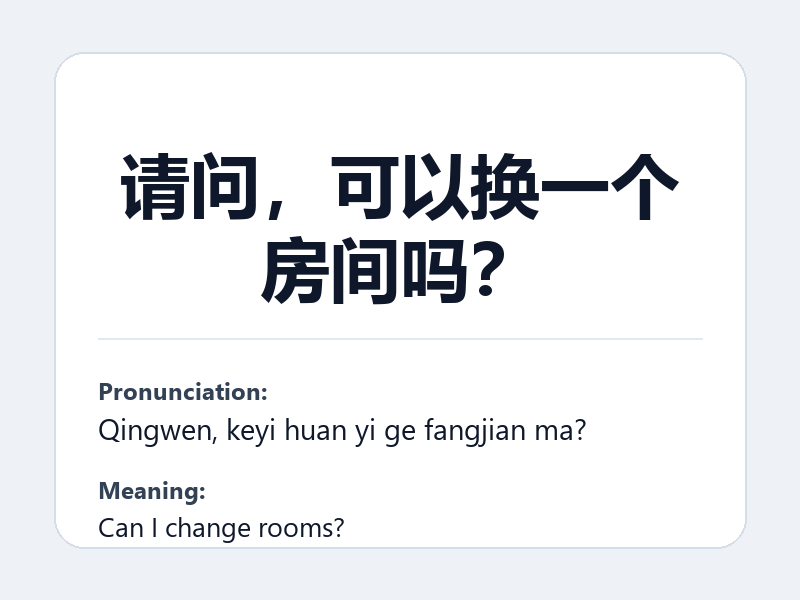
Use it when: The room problem is serious.
请问,可以换一个房间吗?
Pinyin: Qingwen, keyi huan yi ge fangjian ma?
Can I change rooms?
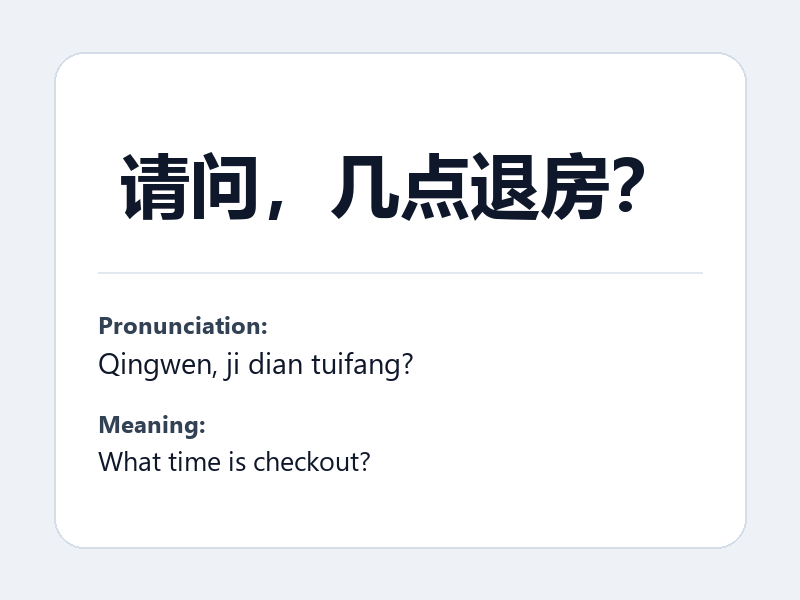
Use it when: You need checkout time.
请问,几点退房?
Pinyin: Qingwen, ji dian tuifang?
What time is checkout?
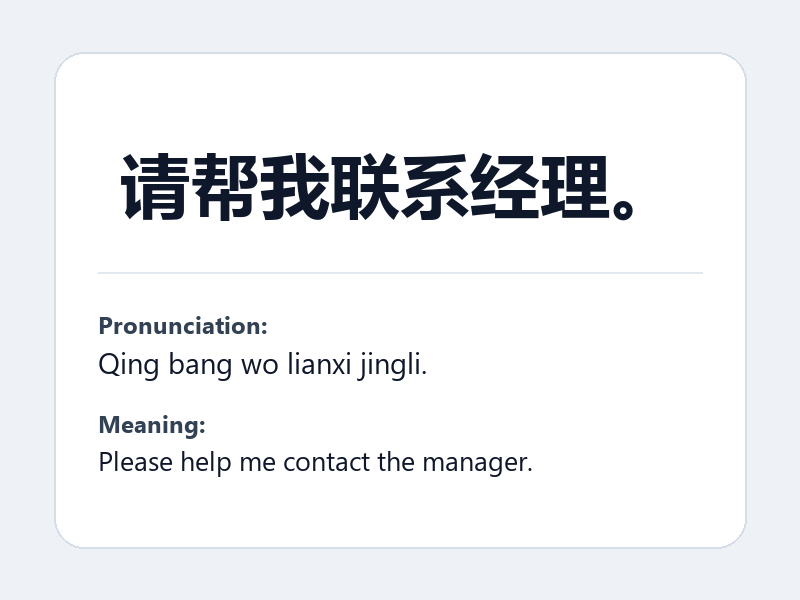
Use it when: You need a manager or senior staff member.
请帮我联系经理。
Pinyin: Qing bang wo lianxi jingli.
Please help me contact the manager.
Where front-desk confusion starts
- Hotels in China usually need passport registration for foreign guests. Keep your passport ready at check-in.
- Your booking platform name may not match your passport name. Show the booking confirmation and passport together.
- Ask for the hotel address in Chinese on day one. It can save you later when a driver or delivery app cannot understand the English name.
FAQ
What if the hotel cannot find my reservation?
Show the booking confirmation, passport, phone number, and booking platform name. If needed, ask the front desk to check the English name and Chinese name separately.
Should I ask the hotel to write the address in Chinese?
Yes. Save it as a screenshot. It is one of the most useful first-day backups in China.
Before reaching the desk: save your booking name, hotel address, room problem, and deposit phrases. Put them beside your passport and booking screenshot.
Next: If check-in is the first problem of the trip, keep the hotel check-in guide open.