Tip: Save the phrase cards you may need before you go out. If a translation app fails, you can show the image directly to a hotel clerk, driver, cashier, restaurant staff member, or police officer.
Quick answer: Many travel services in China use real-name registration. Your passport name and number may need to match tickets, bookings, and reservations.
Foreign visitors can be surprised when a passport is needed for a train ticket, hotel check-in, attraction reservation, or certain services. This is normal in many situations in China and can affect your first 72 hours if you are not prepared.
First, know this
- Trains commonly use real-name tickets. Your passport details matter.
- Hotels need to register foreign guests. The original passport is usually required at check-in.
- Some attractions or museums may require ID or passport details for reservations.
- English name order can cause confusion. Keep your passport and booking name consistent.
What should you do?
- Use your passport name consistently. Do not casually shorten or reorder it when booking important services.
- Bring your passport for trains, hotels, and major reserved attractions.
- Keep screenshots of bookings and confirmation numbers.
- Arrive earlier for your first train or attraction reservation. Identity checks can take longer when you are unfamiliar with the process.
- If a machine cannot read your passport, ask staff for manual help.
Passport-check mistakes to avoid
- Booking under a nickname.
- Leaving your passport at the hotel when taking a train.
- Assuming every ticket machine can handle foreign passports easily.
- Waiting until the last minute for a real-name check.
Ticket-check phrases worth saving
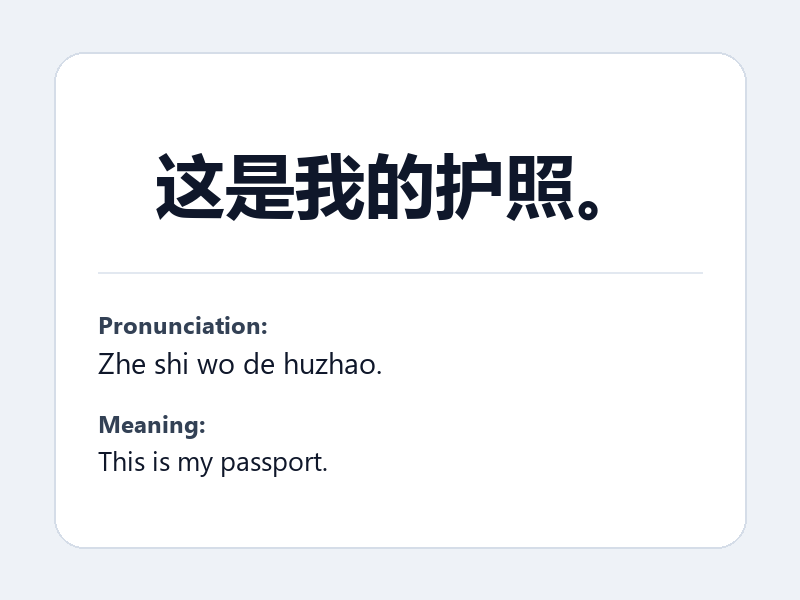
- 这是我的护照。 (Zhe shi wo de huzhao.)
This is my passport.
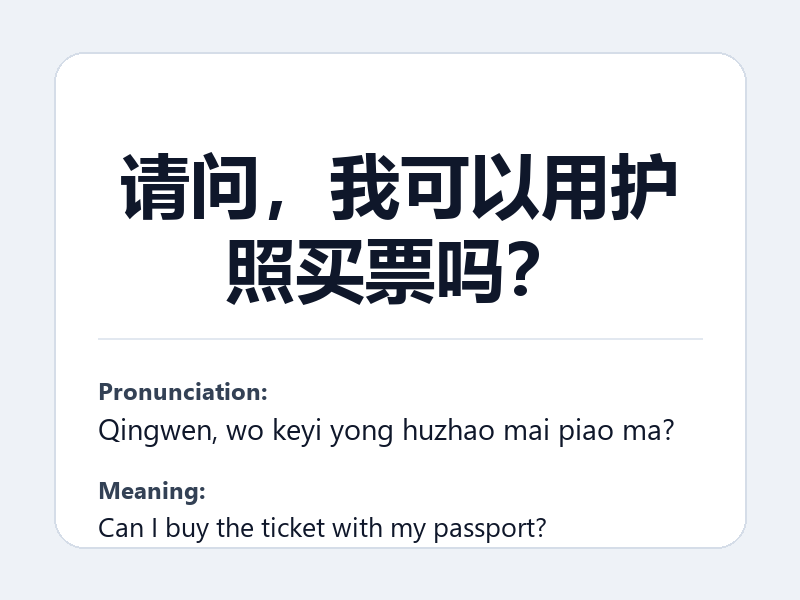
Save this phrase card before you go out. - 请问,我可以用护照买票吗? (Qingwen, wo keyi yong huzhao mai piao ma?)
Can I buy the ticket with my passport?
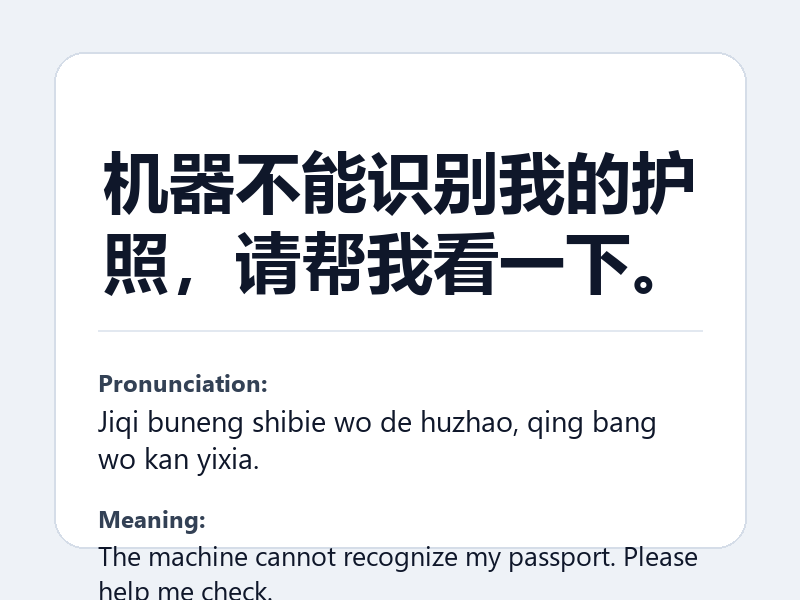
Save this phrase card before you go out. - 机器不能识别我的护照,请帮我看一下。 (Jiqi buneng shibie wo de huzhao, qing bang wo kan yixia.)
The machine cannot recognize my passport. Please help me check.
Save this phrase card before you go out.
FAQ
Do I need my passport for every attraction?
No. Requirements vary. But for major museums, attractions, trains, hotels, and reservations, be ready to provide passport information.
Should I carry the original passport?
Carry it when your plan involves trains, hotels, official bookings, or known ID checks. For casual walking around, decide based on your own risk comfort and local requirements.
Before you lose signal or battery: save the few cards and addresses you may need today, especially hotel address, pharmacy, payment failure, and emergency help.
Next: Go back to Daily Basics, or save the related Chinese phrase cards.