Avoid Overcharging & High-Pressure Situations
How to avoid scams, overcharging, bad tours, fake taxis, forced shopping, unclear prices, and social-media ads in China.
Tip: Save the phrase cards you may need before you go out. If a translation app fails, you can show the image directly to a hotel clerk, driver, cashier, restaurant staff member, or police officer.
Most trips in China go smoothly. Still, first-time visitors can run into unclear prices, unofficial transport offers, soft ads, and high-pressure sales in busy tourist areas. The safest habit is simple: use official channels, check the price before paying, avoid rushed decisions, and leave early when something feels unclear.
This should not make China feel scary. The real issue is practical: a strange cash quote from a driver, a tour guide pushing shopping stops, a restaurant without clear prices, a stall owner naming a wild first price, or a social-media recommendation that is actually an ad.
Start with the situation you are worried about
How Do You Avoid High-Pressure Tours and Shopping Stops in China?
Check very cheap tours, unclear itineraries, shopping stops, and pressure to buy before you commit.
How Do You Avoid Overpaying at Unpriced Stalls in China?
Handle souvenir stalls, night markets, small shops, and unpriced items without accepting the first unclear price.
Should You Choose Restaurants With Clear Prices in China?
Know when to avoid unpriced menus, tourist-area seafood, street stalls, and vague food recommendations.
How Do You Avoid Unofficial or Overpriced Taxis in China?
Use official taxi queues, ride-hailing apps, or hotel-arranged transport instead of accepting unclear cash quotes.
What Should You Do If Someone Pressures You to Buy Something in China?
Use short refusals, avoid closed rooms, leave early, and ask hotel or official staff for help.
How Do You Bargain in China Without Overpaying?
Learn when bargaining is normal, when it is not, how to compare prices, and why walking away works.
How Do You Check If a China Travel Recommendation Is Actually an Ad?
Cross-check Xiaohongshu, Zhihu, short videos, map reviews, pricing, and too-perfect influencer content.
What Should You Do If You Think You Were Overcharged in China?
Keep payment records, ask calmly, use platform support, and get help from hotel, mall, or scenic-area staff.
The simple rule
If the price is not clear, the route is not clear, or the person is pushing you to decide now, slow down. You do not need to be rude. You can simply leave, ask another shop, use an official counter, or ask your hotel for help.
What feels normal in China?
- Posted prices are normal in malls, chains, convenience stores, official ticket counters, and most ordinary restaurants.
- Bargaining can be normal at some markets, souvenir stalls, and small tourist-area shops.
- Unclear pricing is a warning sign when you are tired, cannot read Chinese, or are near a famous tourist site.
- Online recommendations can be useful but not neutral. Xiaohongshu, Zhihu, short videos, and travel notes may include ads, affiliate pushes, or staged reviews.
Three habits that prevent most problems
- Ask the price before you sit down, get in, taste, or accept help.
- Use official or traceable channels when the amount is large: official ticket windows, hotel desks, reputable platforms, mall restaurants, and ride-hailing apps.
- Walk away early. The easiest time to avoid a bad deal is before you start explaining, bargaining, or following someone.
Show this sentence
- 请先告诉我价格。 (Qing xian gaosu wo jiage.)
Please tell me the price first.
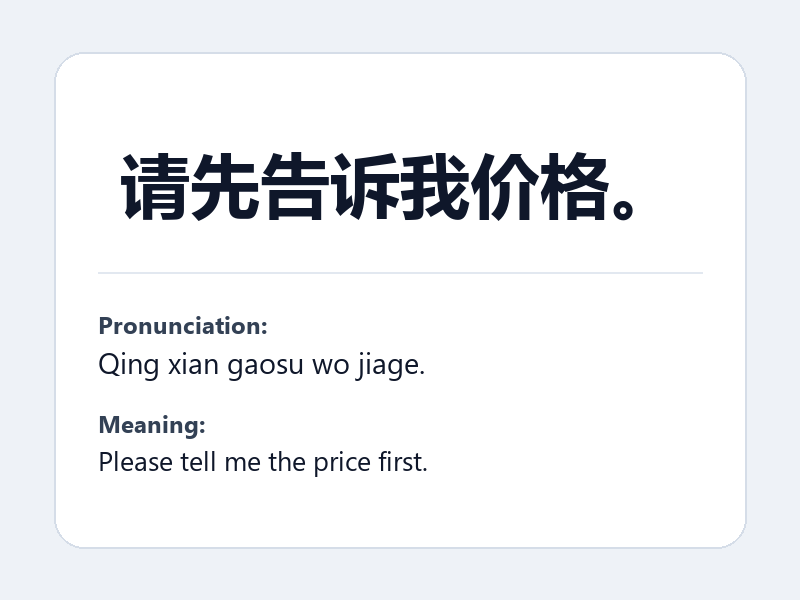
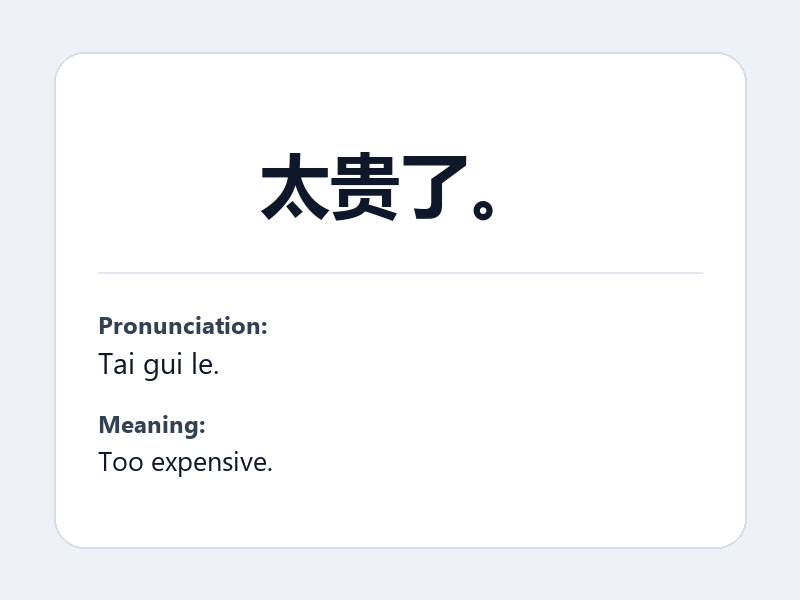
Save this phrase card before you go out. - 太贵了。 (Tai gui le.)
Too expensive.
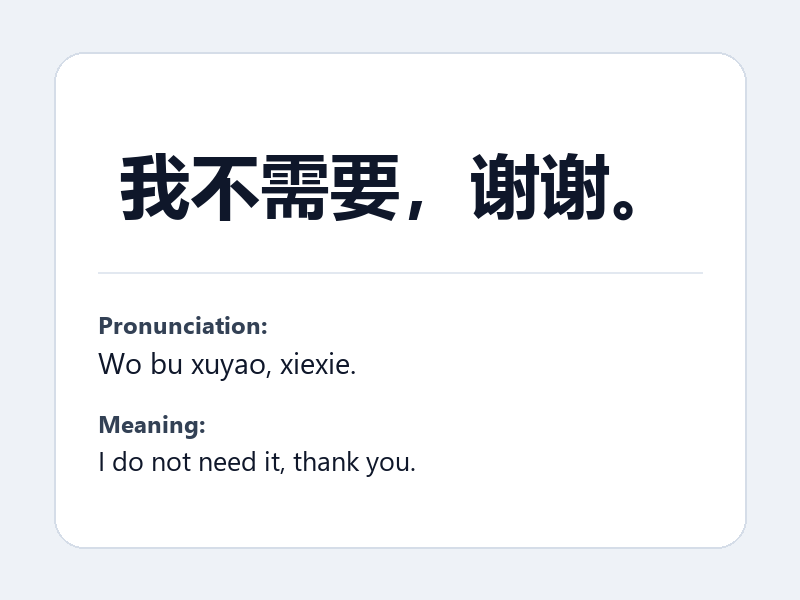
Save this phrase card before you go out. - 我不需要,谢谢。 (Wo bu xuyao, xiexie.)
I do not need it, thank you.
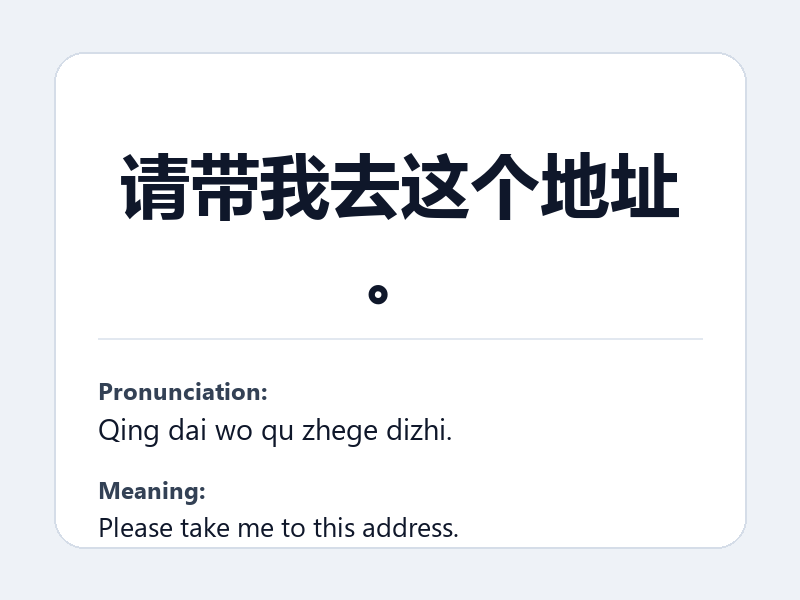
Save this phrase card before you go out. - 请带我去这个地址。 (Qing dai wo qu zhege dizhi.)
Please take me to this address.
Save this phrase card before you go out.
FAQ
Does this mean travelers should distrust everyone?
No. Most normal shops, restaurants, hotels, drivers, and staff are not trying to cheat you. The point is to recognize situations where price and pressure are unclear.
What is the safest food choice if I am unsure?
Choose restaurants with posted menu prices, mall restaurants, chain restaurants, hotel restaurants, or places where you can check reviews and prices in advance.
What should I avoid when I am tired after landing?
Avoid negotiating with unofficial drivers, joining last-minute tours, entering unknown shops with a stranger, or eating at places where the menu has no prices.
Before you go out: save the cards for price checks, taxi trouble, payment failure, and asking hotel staff for help. They are most useful before a small problem turns into an argument.