You book a ride for one amount, arrive at the hotel, and see a larger charge. That does not automatically mean the driver cheated you. The first number may be an estimate; the final route, waiting time, road tolls, parking, or a changed destination can alter the total. The useful question is not “Is every difference a scam?” It is “Can I match each difference to the trip?”
Before the car moves
- Match the plate and driver. Do not get into a car that is merely near the pickup pin.
- Check the destination pin. A hotel name can refer to several branches; compare the Chinese address.
- Screenshot the estimate if the trip is long, crosses an airport expressway, or the driver mentions an extra charge.
- Do not cancel just because the driver says the app is inconvenient. Ask the driver to cancel from the correct side if they cannot take the trip.
Charges that may be explainable
- Tolls: airport expressways and some highways can add a road toll.
- Waiting: arriving late at the pickup point or adding a stop can increase time.
- Parking: an airport or station pickup may involve parking, but ask where it appears in the order.
- Route or destination changes: moving the pin or asking for another stop changes the trip.
- Demand pricing: check the estimate before confirming rather than assuming yesterday’s fare.
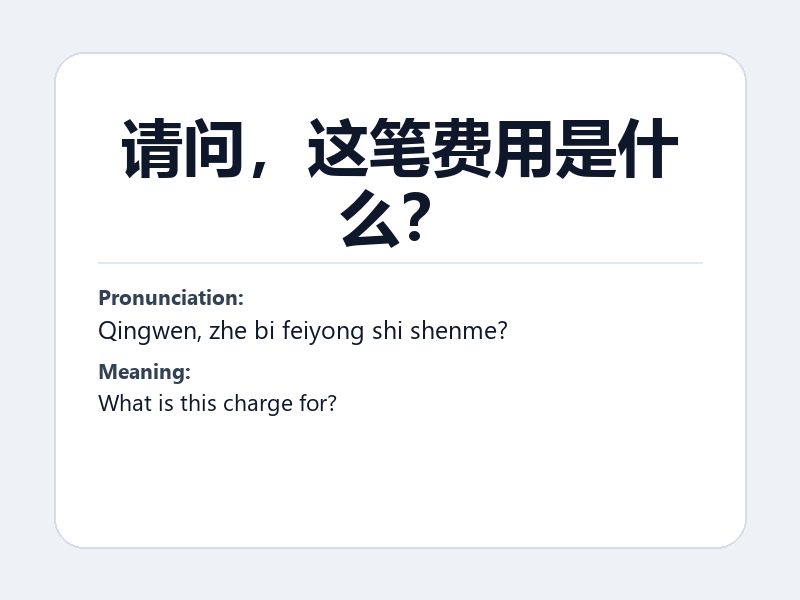
请问,这笔费用是什么?
Pronunciation: Qingwen, zhe bi feiyong shi shenme?
What is this charge for?
When you should pause
Pause if the driver asks for an unrecorded amount, says the app price is “wrong” but cannot show the reason, requests your payment QR code, asks to borrow your phone, or wants you to mark the trip complete before arrival. Stay calm and do not debate the law through a translation app on the roadside.
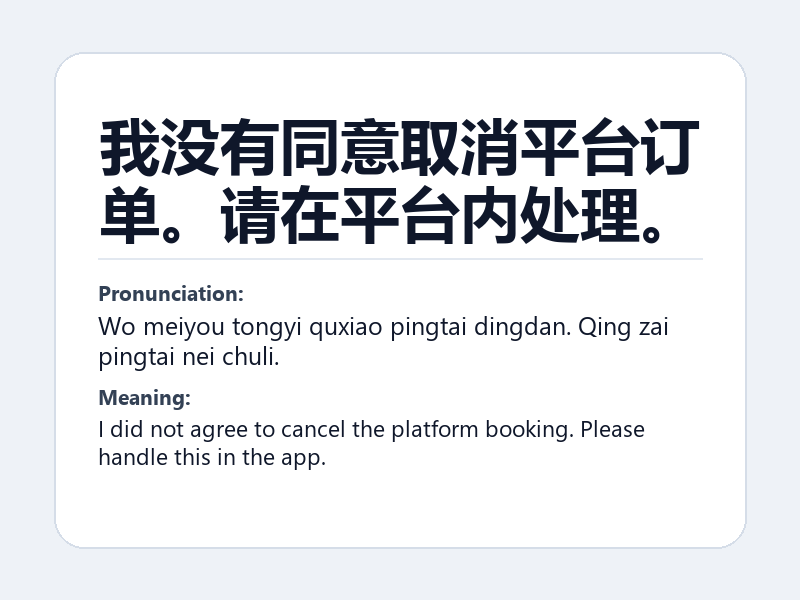
我没有同意取消平台订单。请在平台内处理。
Pronunciation: Wo meiyou tongyi quxiao pingtai dingdan. Qing zai pingtai nei chuli.
I did not agree to cancel the platform booking. Please handle this in the app.
How to challenge the charge
- Open the completed trip and read the fare breakdown.
- Save the estimate, final bill, route, messages and any separate payment request.
- Ask in the app which line represents the toll, parking or adjustment.
- Use the trip-specific customer-service route. A generic chat without the order number is slower.
- If you are still in the car and feel unsafe, get out at a staffed public place first. Money can be disputed later.
FAQ
Should I pay a toll in cash?
First check how that ride type handles tolls and whether the amount is already in the app. Do not pay the same toll twice.
What if the app has not charged me yet?
Some rides remain unpaid until you open the app again. Review the order rather than assuming the ride was free or paying the driver a second time.
Should I call the police over a small fare difference?
Start with the platform and evidence unless there is a threat, restraint, theft or immediate safety problem.
Official information to check
- DiDi Global contact page: use the in-app help center for trip support
- SAMR rules on displayed prices and misleading price practices
Related: set up DiDi before landing and prepare the last four digits of your phone number.