Tip: Save the phrase cards you may need before you go out. If a translation app fails, you can show the image directly to a hotel clerk, driver, cashier, restaurant staff member, or police officer.
Quick answer: Use short refusals, avoid long explanations, and leave early. You can stay polite without staying in an uncomfortable situation.
High-pressure selling can happen in tourist shops, tea rooms, jewelry stores, massage places, street markets, and sometimes during low-price tours. The key is not to win an argument. The key is to stop the interaction before you are tired, embarrassed, or physically inside a space where leaving feels harder.
What it looks like
- A stranger invites you to a tea room, shop, studio, private room, or upstairs area.
- A seller keeps putting items in your hands.
- You are told to sit down, taste something, try something, or accept a gift before hearing the price.
- Someone says you are rude if you do not buy.
- A guide or driver says everyone in the group must enter a shop.
What to do before you agree to anything
- Say no once, clearly. Do not give a long reason.
- Move your body toward the exit. Words matter less than leaving.
- Stay in public areas. Avoid upstairs rooms, back rooms, and private tasting rooms if you did not choose them.
- Keep your phone, passport, wallet, and bag with you.
- Ask official staff, mall security, scenic-area staff, or your hotel for help if pressure continues.
Warning signs
- The seller blocks the exit or keeps following you.
- The price appears only after you taste, open, try, or use something.
- You are told a purchase is required because time was spent on you.
- The seller tries to separate you from your group.
- You feel you cannot leave without making someone angry.
Show this sentence
Useful sentence:
不用了,谢谢。 (Bu yong le, xiexie.)
No, thank you.
- 我不需要,谢谢。 (Wo bu xuyao, xiexie.)
I do not need it, thank you.
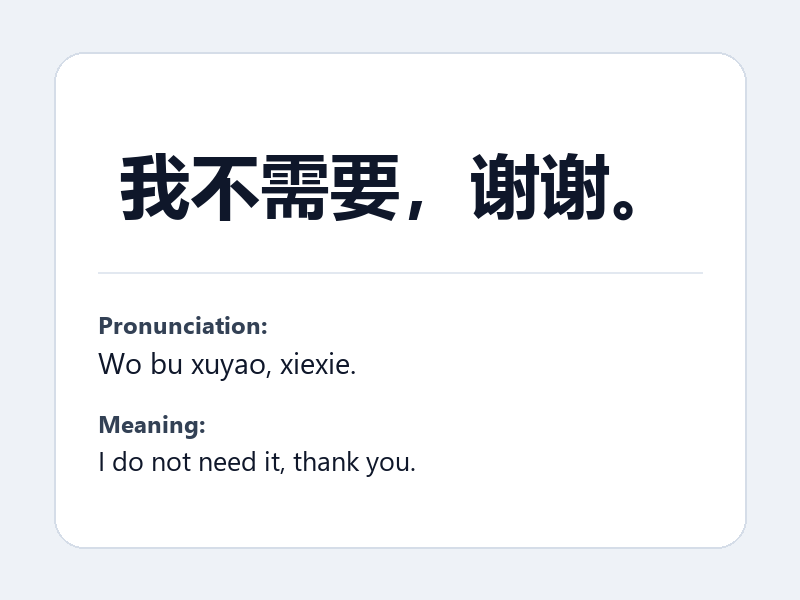
Save this phrase card before you go out. - 我现在要走了,谢谢。 (Wo xianzai yao zou le, xiexie.)
I am leaving now, thank you.
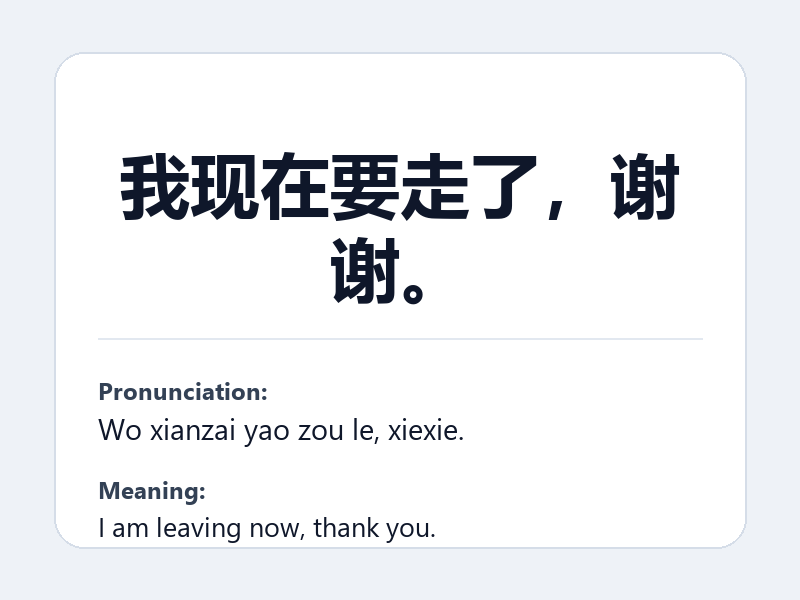
Save this phrase card before you go out. - 请不要跟着我。 (Qing buyao genzhe wo.)
Please do not follow me.
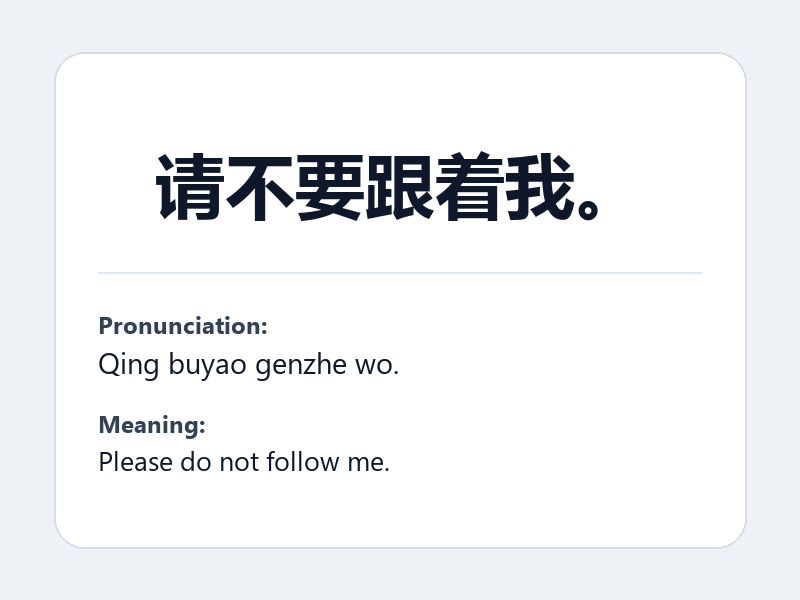
Save this phrase card before you go out. - 请帮我找工作人员。 (Qing bang wo zhao gongzuo renyuan.)
Please help me find staff.
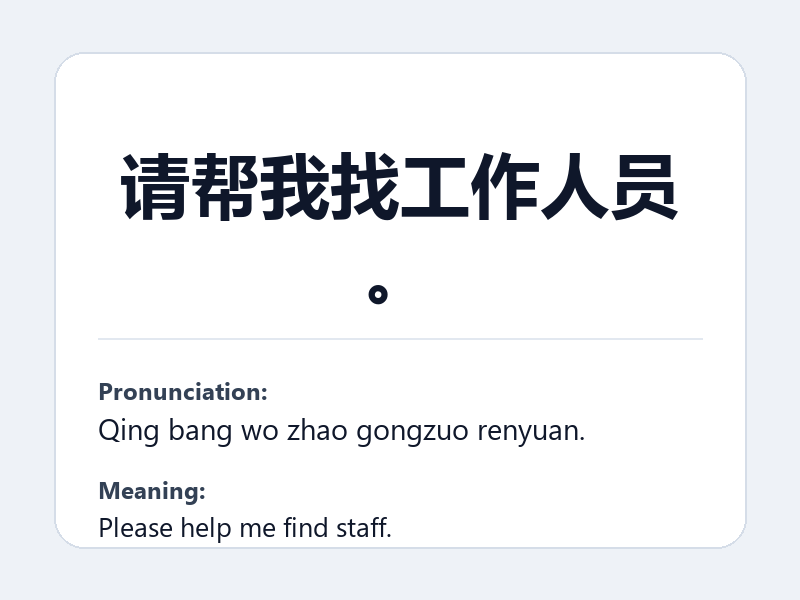
Save this phrase card before you go out.
If you feel trapped
- Move to a public, well-lit, staffed area.
- If you paid under pressure, keep the payment record and shop details.
- Ask hotel staff to help you communicate with the shop or platform if needed.
- If you felt unsafe, prioritize safety over refund negotiations.
FAQ
Is it rude to walk away?
No. If someone is pressuring you, leaving is normal and often the safest answer.
Should I keep explaining?
Usually no. A simple `I do not need it, thank you` plus walking away works better than long explanations.
Before entering a shop or tour stop: keep your hotel address and a short refusal phrase ready. Leaving early is easier than explaining after the pressure starts.
Next: Go back to Avoid Overcharging & Pressure, or read what to do if someone pressures you to buy something.